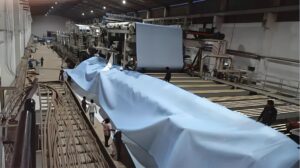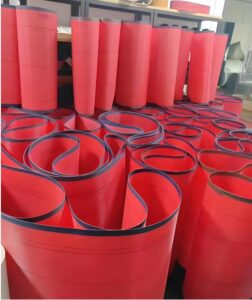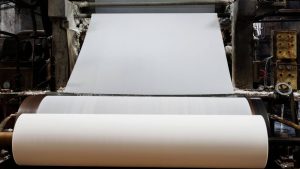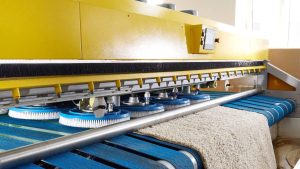
In the heart of every modern Chinese paper machine, a critical component operates with precision and engineering prowess—the press felt. Once a humble consumable, the press felt has transformed into a high-tech engineered fabric, mirroring the meteoric rise of China’s own paper industry. The development of China’s press felt sector is a story of rapid modernization, technological catch-up, and burgeoning global competitiveness.
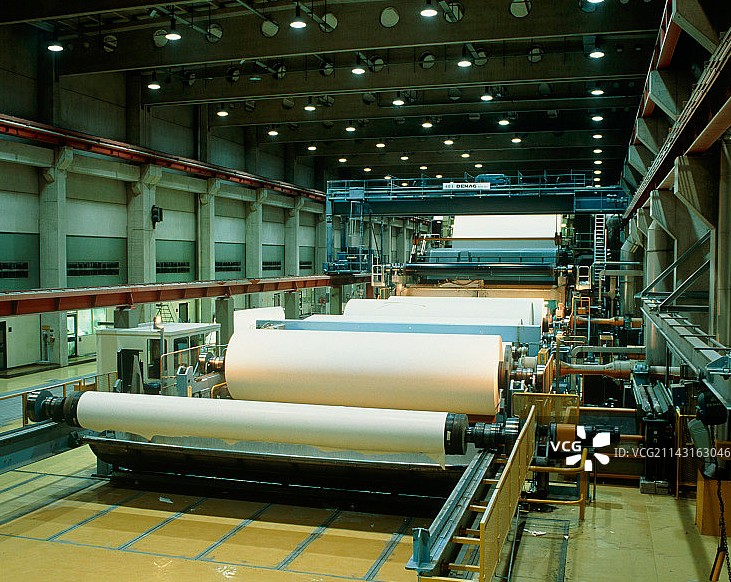
From Imported Beginnings to Domestic Mastery
Just two decades ago, the landscape was vastly different. High-end press felts for fast and demanding paper machines were predominantly imported from Europe, America, and Japan. Domestic manufacturers were primarily focused on producing felts for older, slower machines, with gaps in technology, consistency, and raw material quality.
The turning point came with the explosive growth of China’s paper production capacity. As the country built some of the world’s largest and fastest paper machines, the demand for high-performance, cost-effective felts skyrocketed. This demand acted as a powerful catalyst for domestic felt producers. Through significant investment in R&D, technology transfer, and a relentless focus on quality control, Chinese manufacturers began to close the gap.
Current Strengths: Technology and Market Dominance
Today, the Chinese press felt industry is a powerhouse characterized by:
- Advanced Manufacturing Capability: Leading Chinese companies now operate state-of-the-art production lines, utilizing precision weaving, needling, and heat-setting technologies. They produce the full spectrum of felts, including sophisticated multi-layer base fabrics with intricate batt-on-mesh designs that optimize dewatering and paper surface quality.
- Strong Domestic Supply Chain: China has developed a robust domestic supply chain for key raw materials like high-quality polyester and polyamide yarns. This vertical integration reduces costs and enhances supply stability, giving domestic felt producers a significant advantage.
- Dominance in the Domestic Market: Chinese-made press felts have captured the vast majority of the domestic market. They are no longer just a low-cost alternative; they are the preferred choice for many paper mills, offering a competitive balance of performance, durability, and price. The service model has also evolved, with technical teams working closely with paper mills to optimize felt performance for specific grades and machine conditions.
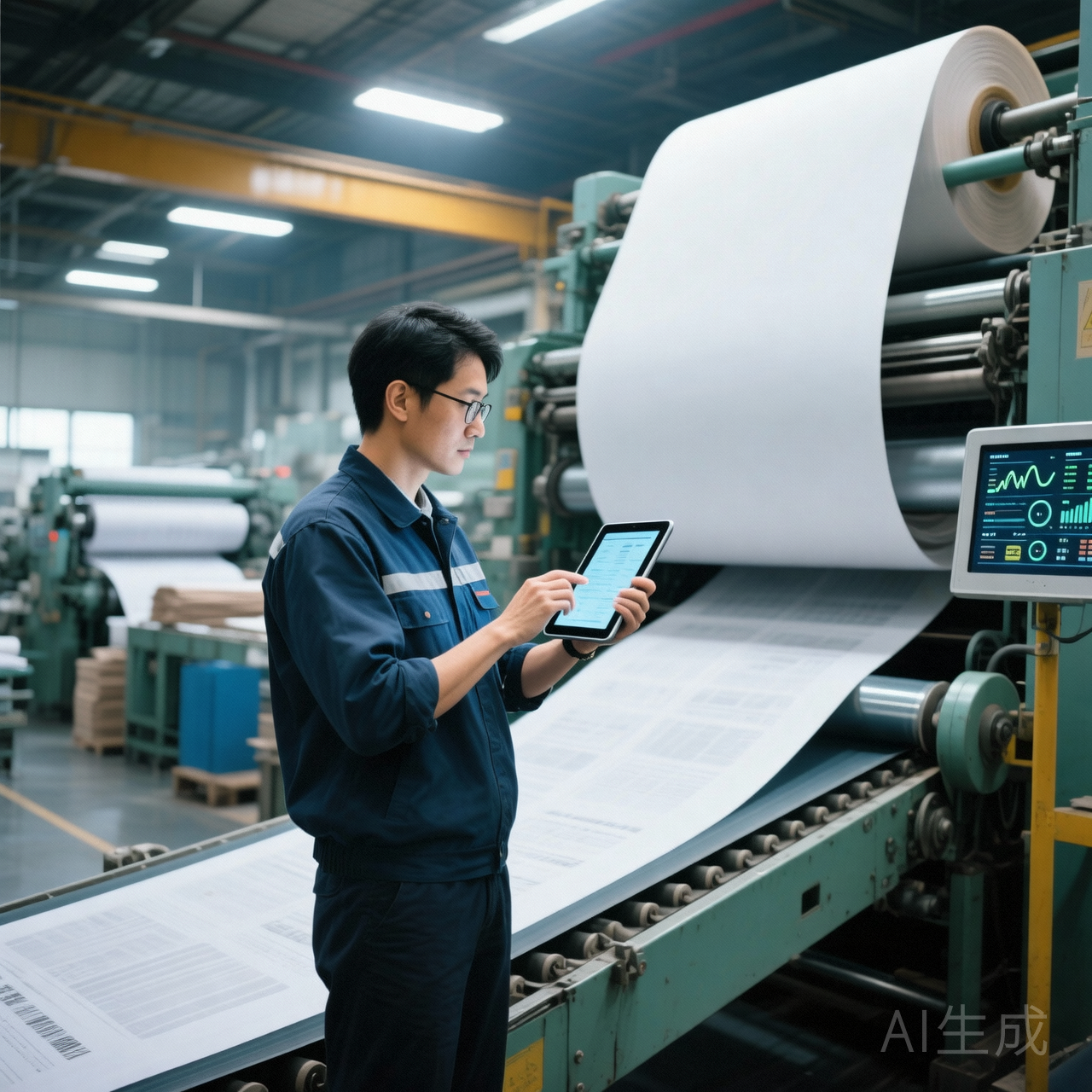
Future Trajectory: Innovation and Global Ambitions
The industry’s focus has shifted from imitation to innovation. The current development trends include:
- Specialization for High-End Paper Grades: While dominant in standard grades, Chinese manufacturers are intensifying R&D to create superior felts for specialty papers, tissue, and packaging board, directly competing with international giants on performance.
- Sustainability Focus: Developing felts that contribute to energy savings by improving dewatering efficiency (thus reducing dryer section steam consumption) and exploring more durable products to extend lifecycles and reduce waste.
- Global Expansion: Having solidified their position at home, leading Chinese press felt manufacturers are now aggressively exporting to other Asian markets, the Middle East, and even Europe and the Americas, challenging the established global players.
Conclusion
The journey of China’s press felt industry is a microcosm of its broader industrial advancement. From being a follower reliant on foreign technology, it has become a confident, innovative, and highly competitive force on the global stage. The continuous improvement of the press felt is inextricably linked to the efficiency and quality of China’s paper machines, ensuring that this critical component will remain a key area of focus and innovation for years to come.