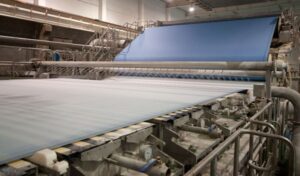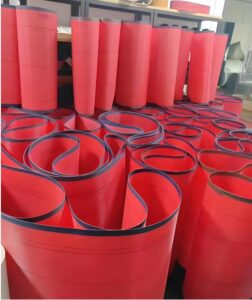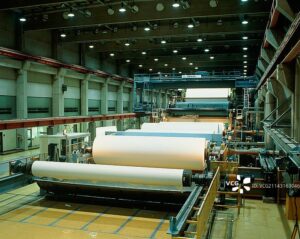
In 2026, the global paper mill industry is characterized by a stark “tale of two markets.” While traditional mills producing newsprint and office paper are facing a painful contraction, facilities geared toward e-commerce and sustainable packaging are seeing a massive resurgence. As a consequence, Keylife has seen the changes of the demand for its paper machine press felt, forming fabric and dryer fabric accordingly.
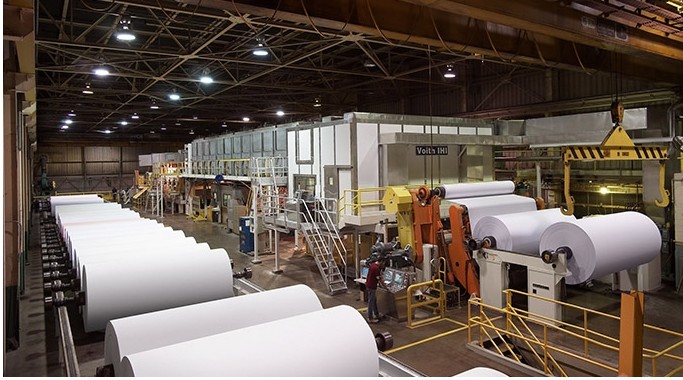
Here is an analysis of the current situation of paper mills worldwide.
1. The Great Transition: From Print to Parcels
The most significant trend in 2026 is the structural pivot from graphic papers to packaging. As digital media continues to erode the demand for newspapers and magazines, mills in North America and Europe are either shutting down or undergoing multi-million dollar “conversions.”
Mill Closures: Major players like International Paper have announced significant closures in 2026, particularly in the EMEA (Europe, Middle East, and Africa) region, as they streamline operations to cut costs.
The Rise of Packaging: Conversely, the “paperization” of the world—replacing single-use plastics with fiber-based alternatives—has kept packaging mills running at high capacity. E-commerce remains a primary driver, with global online sales expected to hit nearly $5 trillion this year.
2. The Asian Expansion vs. Western Consolidation
The geographical center of gravity for paper production has shifted decisively toward the Asia-Pacific region, which now accounts for over 55% of the global market.
| Region | Current Status (2026) |
| China | Massive capacity expansion. High-speed machines and integrated pulp mills have made China the world’s leading producer and a price-setter. |
| North America | Focus on “Smart Mills.” Investment is going into automation and AI to offset high labor and energy costs. |
| Europe | Leading the way in “Circular Economy” models. European mills currently boast some of the highest recycling rates globally (nearly 75%). |
| Emerging Markets | India and Southeast Asia are seeing double-digit growth in tissue and hygiene paper production as disposable incomes rise. |
3. The “Smart Mill” Revolution
In 2026, the paper mill is no longer a “steam and grease” relic of the industrial age. Digitalization has become a survival necessity.
AI and IoT: Modern mills use sensors to track fiber quality and machine health in real-time, reducing waste by up to 15%.
Remote Operations: Large corporations now use “control centers” in major cities to monitor and adjust the chemistry of mills located hundreds of miles away in rural forests.
4. Sustainability and Decarbonization
Sustainability is no longer a PR buzzword; it is a regulatory requirement. In 2026, mills are under intense pressure to lower their carbon footprint.
Alternative Fibers: Beyond wood pulp, mills are increasingly experimenting with agricultural waste, such as wheat straw and sugarcane biomass (bagasse), to create “tree-free” paper products.
Energy Decarbonization: Many mills have transitioned to biomass boilers or hydrogen energy trials to move away from fossil fuels. In Europe, the industry has successfully reduced fossil carbon emissions by roughly 8% over the last few years.
5. Challenges: Costs and Raw Materials
Despite the growth in packaging, 2026 has brought several “headwinds” for mill owners:
Pulp Price Volatility: Hardwood pulp prices have seen a recovery this year, climbing toward $1,300 per ton, putting pressure on the profit margins of non-integrated mills (mills that buy pulp rather than making it themselves).
Geopolitical Disruptions: Conflicts in the Middle East and trade tensions have led to increased shipping costs and occasional shortages of the chemicals required for bleaching and coating paper.
Summary
The paper mill of 2026 is a high-tech, circular-economy hub. While the “death of paper” is a reality for the newsprint sector, the industry is thriving in new forms—protecting the products we buy online and providing the biodegradable alternatives to the plastics of the past.