In the world of tissue manufacturing, speed is the ultimate metric. As modern high-speed tissue machines—particularly Crescent Formers—push beyond 2,200 m/min, the margin for error evaporates. At the heart of this high-velocity dance is the forming fabric.
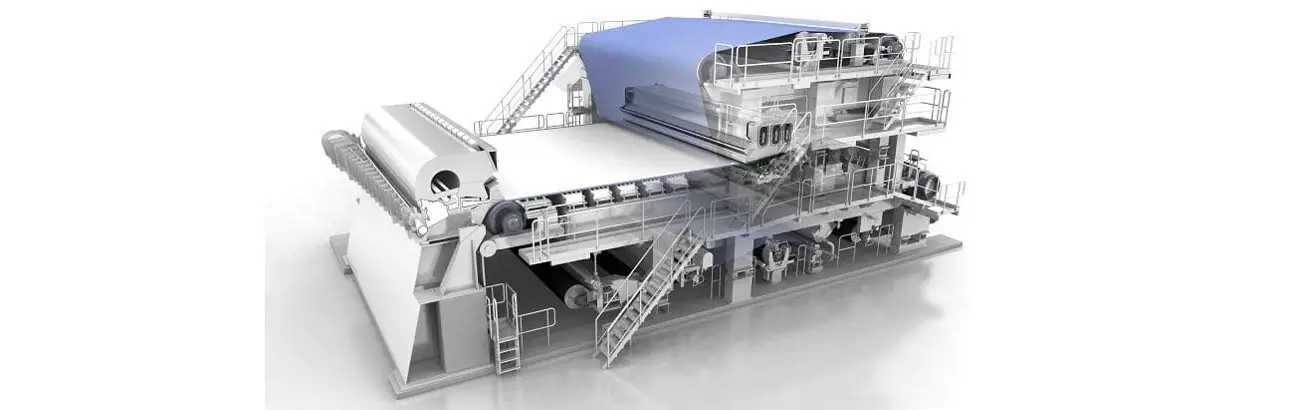
The manufacturing of tissue products has transformed significantly over the years, with technology playing a pivotal role. As consumer demand for softness and durability grows, so does the need for high-performance materials. Understanding the nuances of forming fabrics is essential for manufacturers aiming to stay competitive.
Far from being a simple conveyor belt, the forming fabric is a sophisticated engineered structure that dictates the quality, softness, and economic viability of the final product.
Innovative designs and materials are now being utilized to enhance the functionality of forming fabrics. For instance, the introduction of advanced polyester blends has improved the fabric’s ability to retain its structure under varying speeds and pressure conditions. These developments lead to consistent product quality, which is crucial in the competitive tissue market.
The Evolution of Keylife Technology
Traditional fabrics often struggle with the “speed vs. quality” trade-off. At high speeds, centrifugal forces and intense drainage pressures can cause sheet marking or poor fiber distribution. Keylife’s success in this sector stems from a transition toward Multi-layer and SSB (Sheet Support Binder) designs.
Let’s take a closer look at how these innovations have evolved over time. The shift from single-layer fabrics to multi-layer designs has resulted in significant improvements. Multi-layer fabrics offer enhanced drainage capabilities, which are crucial during the forming process. This means that high-speed machines can maintain efficiency without sacrificing quality.
1. Stability Under Extreme Tension
High-speed machines require high running tensions to prevent fabric “flutter.” Keylife fabrics are engineered with high-modulus monofilaments that provide:
In practical terms, this means that a forming fabric’s ability to withstand high tension allows manufacturers to run their machines at optimal speeds without the risk of fabric failure. The right fabric choice translates directly into reduced downtime and lower maintenance costs for manufacturers.
Dimensional Stability: Minimal stretching or narrowing, even under peak loads.
Wear Resistance: Specialized bottom-side filaments designed to withstand the abrasive friction of vacuum boxes and hydrofoils at high velocities.
Moreover, the wear resistance of these fabrics extends their lifespan significantly. Manufacturers can benefit from longer intervals between fabric replacements, which translates to substantial savings over time. Increased durability also means fewer disruptions in the production process, leading to higher overall efficiency.
2. Optimized Drainage and Fiber Support
The “forming” stage happens in a fraction of a second. The fabric must evacuate water rapidly without “pulling” the fine fibers through the mesh.
Understanding the dynamics of water evacuation during the forming stage is vital. The role of the fabric in this process cannot be overstated as it determines the integrity of the tissue web. Enhanced drainage capabilities lead to quicker drying times, which are critical in maintaining high production rates.
High FSI (Fiber Support Index): By increasing the number of support points on the paper side, Keylife fabrics ensure the delicate tissue web stays on the surface.
Controlled Drainage: A uniform pore structure prevents turbulence, which is essential for achieving the CD (Cross-Direction) tensile strength required for premium bath tissue and facial wipes.
As a result, manufacturers can achieve higher CD tensile strength, ensuring that their products meet stringent quality standards. This aspect is particularly important for products such as facial tissues and bath tissue, where the end-user experience is paramount.
Critical Performance Benefits
| Feature | Impact on Tissue Production |
| High Air Permeability | Allows for rapid dewatering, reducing the energy load on the press and drying sections. |
| Thin Fabric Caliper | Minimizes “water carrying” in the mesh, reducing misting and splashing at high speeds. |
| Non-Marking Surfaces | Ensures the ultra-lightweight web (often $13-20\text{ g/m}^2$) remains smooth and aesthetic. |
Real-World Success: Why It Matters
The success of these fabrics isn’t just technical—it’s financial. When a forming fabric performs optimally on a high-speed machine, the mill sees three immediate wins:
Energy Savings: Better mechanical dewatering in the forming section means the Yankee Dryer doesn’t have to work as hard, slashing steam consumption.
It’s important to note that energy savings achieved through optimal fabric performance can lead to a significant reduction in production costs. This not only impacts the bottom line but also contributes to sustainability efforts. Reduced energy consumption means a lower carbon footprint, which is increasingly important in today’s environmentally conscious market.
Increased Runtime: High-speed machines are sensitive to “pinholes” and breaks. A stable fabric reduces wet-end breaks, keeping the machine in its “sweet spot” longer.
Superior Softness: By maintaining a high bulk-to-weight ratio through gentle formation, the fabric helps produce the premium “hand-feel” that consumers demand.
The quest for superior softness is ongoing. Innovations in fabric technology aim to enhance the tactile experience of tissue products. By focusing on the bulk-to-weight ratio, manufacturers can produce tissues that feel luxurious while ensuring durability and strength.
Conclusion
As tissue machines continue to break speed records, the role of the forming fabric shifts from a consumable to a performance catalyst. Keylife’s ability to marry structural rigidity with delicate fiber handling has proven that the right fabric doesn’t just survive high speeds—it masters them.
Ultimately, as the landscape of tissue manufacturing continues to evolve, the importance of selecting the right forming fabric becomes ever more critical. For manufacturers, investing in high-quality fabrics is not merely a choice—it’s a necessity for long-term success. The ongoing advancements in fabric technology promise exciting possibilities for the future of tissue production.