Expanding into the Indian Paper Machine Clothing (PMC) market presents a high-growth opportunity. India’s paper industry is expanding rapidly—driven by packaging board demand (e-commerce boom) and single-use plastic substitution—yet domestic PMC production is dominated by only a few established players (like Wires & Fabriks and Voith Paper Fabrics India).
Because PMC products are high-risk, technical consumables, Indian paper mill managers rarely buy on price alone. Misalignment, seam failure, or premature wear can halt a paper machine producing hundreds of tons per day.
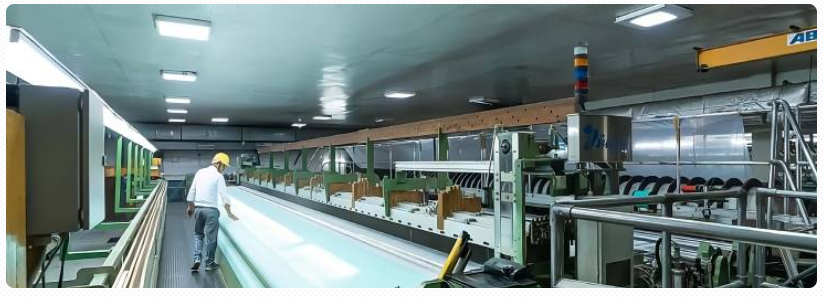
To break into the market successfully, build your strategy around cost-competitive positioning, localized technical service, and local partnerships.
1. Product Strategy: Where Chinese PMC Fits Best
Indian paper mills operate a wide variety of machine speeds, raw materials, and technologies. Focus your offerings where Chinese suppliers hold a structural advantage:
- Packaging Board & Recycled Kraft Mills (Primary Target): High-growth sectors in hubs like Vapi (Gujarat) and Muzaffarnagar (UP) use recycled furnish. They require durable, cost-effective Triple-Layer/SSB Forming Fabrics and heavy-duty Press Felts with strong resistance to compaction and contamination.
- Cost-Benefit Positioning: European/Japanese PMC brands (Albany, Voith, Feltest) dominate high-speed virgin pulp mills but charge premium prices. Domestic options are often capacity-constrained. Position your PMC products as 80–85% of Western performance at 60–70% of the cost.
- High-Precision Specialties: If you manufacture specialized products—such as seam felts, high-heat hydrolysis-resistant dryer fabrics, or spiral fabrics—highlight these to win initial trials.
2. Commercial Models for Market Entry
   ┌─────────────────────────────────────────────────────────────┐
   │                  Choose Your Entry Model                    │
   └──────────────┬──────────────────────────────┬───────────────┘
                  │                              │
        ┌─────────┴─────────┐          ┌─────────┴─────────┐
        │  Model A: Exclusive│          │ Model B: Direct   │
        │  Agency / Agent   │          │ Warehousing/Entity│
        └─────────┬─────────┘          └─────────┬─────────┘
                  │                              │
      • Fast market entry            • High investment
      • Established networks         • Full brand control
      • Built-in tech support        • Complex compliance
Model A: Partner with Established Indian Technical Agencies (Recommended)
Instead of selling directly from China, partner with 3 to 4 non-competing regional paper machinery agents (West, South, North, East).
- Why: Indian paper mill managers trust local technical sales engineers who are on call 24/7.
- Agent Profile: Look for agents already selling paper mill chemicals, doctor blades, or roll covers who want to add PMC to their portfolio.
Model B: Consignment & Local Stocking Unit
Paper mills frequently experience sudden felt damage or fabric tears and need emergency replacements within 24 to 48 hours.
- Set up a Free Trade Warehousing Zone (FTWZ) stock or bonded warehouse in India (e.g., near Mumbai or Chennai port).
- Stock standard sizes of forming fabrics and press felts for key customer machines. Winning emergency orders builds long-term mill trust fast.
3. The “Trial-to-Contract” Sales Process
In India, you will almost never land a full-annual supply contract on day one. You must follow a structured 3-phase cycle:
- Phase 1: Diagnostic Audit (Pre-Sale)Send a Chinese technical application engineer alongside your local Indian agent to conduct a machine audit. Measure dewatering rates, press nip pressures, and current fabric life.
- Phase 2: Paid Trial Fabric (“Trial Order”)Offer a 1 to 2 fabric trial at a competitive rate. Guarantee baseline performance metrics (e.g., Minimum 45 days life on Press Section or X% dewatering efficiency).
- Phase 3: Rate Contract / Annual SupplyOnce the trial runs successfully without marking, seam breakdown, or sheet-picking, convert the mill into a long-term contract customer.
4. Operational & Marketing Execution
A. Establish Local Field Service Engineering (FSE)
- The Golden Rule of PMC: You cannot support PMC from China via WeChat or email alone.
- Hire at least 1–2 experienced Indian Paper Mill Engineers (former paper machine superintendents or PMC service engineers).
- Provide them with diagnostic tools (portable permeability meters, ultrasonic tension meters, tachometers) to assist mills during fabric installation and planned shutdowns.
B. Leverage Industry Trade Shows & Associations
- Paperex (Greater Noida/Delhi): The largest paper industry exhibition in Asia. Exhibiting here is critical for brand visibility in South Asia.
- Regional IPPTA Seminars: Join the Indian Pulp and Paper Technical Association (IPPTA). Presenting technical papers on Optimizing Forming Fabric Drainage or Energy Savings in Dryer Sections positions your brand as an engineering partner rather than a low-cost commodity vendor.
C. Import Compliance & Payment Terms
- BIS & Quality Standards: Ensure products meet Indian Customs regulations. Keep material safety data sheets (MSDS) and ISO 9001/14001 documentation updated.
- Payment Terms: New Indian customers will request deferred payment (e.g., LC 90 days or payment after installation). Protect your cash flow using Sinosure (ECIC) insurance for Indian buyer credit risks, or work through your local agent on a back-to-back LC basis.
Direct Action Plan (First 90 Days)
- Map Top 50 Target Paper Mills: Segment by machine speed (>600 m/min vs. <600 m/min) and paper grade (Kraft/Duplex vs. Writing/Printing).
- Recruit 2 Regional Agents: Target agents in Gujarat (West) and Tamil Nadu/Andhra Pradesh (South).
- Offer 10 “Risk-Free Trial” Packages: Provide top mills with trial pricing tied to strict performance guarantees.
- Setup Emergency Service Support: Ensure Indian paper engineers are on standby for installation assistance.