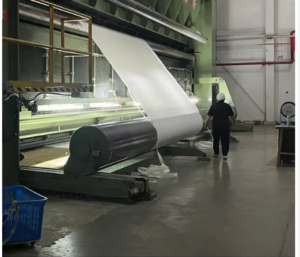
Using Chinese-made manufacturing equipment to produce paper machine clothing (PMC)—specifically forming fabrics and dryer fabrics—is fully viable and increasingly common in the global pulp and paper supply chain. Over the past two decades, domestic Chinese machine builders have matured from manufacturing low-tier textile looms to producing high-precision, heavy-duty industrial fabric machinery capable of making multi-layer forming fabrics (such as SSB triple-layer structures) and high-permeability spiral/woven dryer screens.
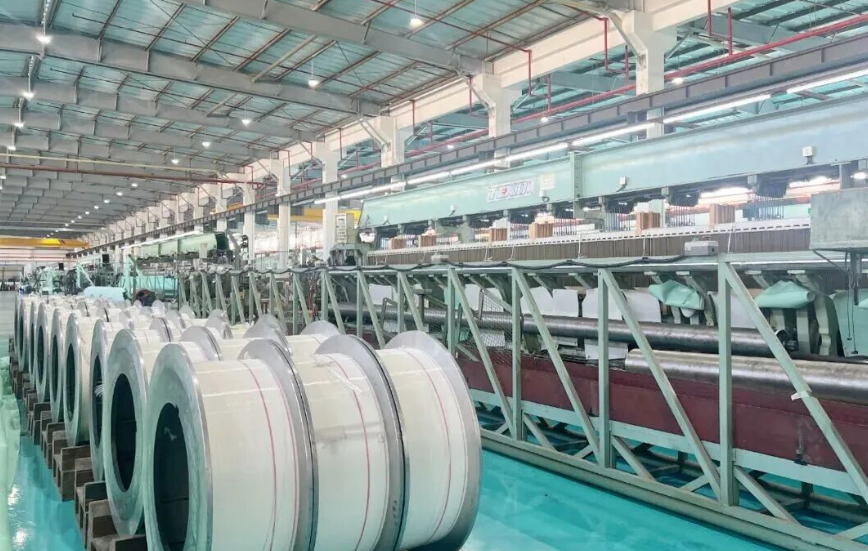
Key Equipment Required & Notable Chinese Suppliers
To establish a production line for forming and dryer fabrics, specialized heavy-duty industrial equipment is required across four main stages:
| Production Phase | Required Equipment | Chinese Capability & Representative Suppliers |
| 1. Warping & Creel | Heavy-duty sectional warping machines and high-tension yarn creels. | High: Suppliers like Jiangsu Changshu Textile Machinery and Hangzhou Lifeng provide specialized heavy monofilament warping equipment engineered for high-tension synthetic yarns. |
| 2. Heavy Weaving | Extra-wide heavy industrial shuttleless looms (rapier/shuttle) with high beating-up force (up to 12–15+ tons per meter). | Moderate–High: Zhejiang Rifa Textile Machinery and Qingdao Haijia Machinery produce wide-width industrial rapier looms. Specialized industrial weave builders like Shandong Huasheng and Jiangsu Henghui supply wide-format looms (up to 10–14+ meters). |
| 3. Heat-Setting / Stretching | Large heat-setting & tensioning tables (hot air or oil-heated cylinders with hydraulic tension pull). | High: Leading custom machine builders such as Hebei Jinguang Machinery, Shandong Jinbaoli design hot-air and thermal-cylinder stretching tables built for wide-width dimensional stabilization. |
| 4. Seaming & Finishing | Automatic/semi-automatic seaming machines, edge-ultrasonic cutters, and spiral assembling machines (for dryer screens). | High: Specialized suppliers like Cangzhou Xingyu, Anhui Jinshen supply spiral-loop assembly machines and automatic joining and seaming auxiliaries. |
Prominent Chinese PMC Equipment & Solution Integrators
In addition to individual machinery builders, several established Chinese companies offer turnkey equipment packages, technical engineering, and raw materials (monofilament yarns) for PMC manufacturing lines:
- Jiangsu Shehong Textile Machinery: A major manufacturer providing complete production machinery packages, heat-setting tables, and auxiliary equipment for forming and dryer fabric plants.
- Shandong Hunan Automation & Equipment: Supplies comprehensive paper machine clothing machinery, including heavy weaving looms, spiral dryer screen assemblers, and finishing equipment.
- Zhejiang Rifa Heavy Textile Machinery: Renowned for high-precision, wide-body heavy industrial looms engineered specifically for dense, multi-layer technical textile weaves.
- Anhui Jinshen Technical Fabrics Machinery: Specializes in finishing and seaming technology for spiral-loop dryer screens and endless mesh fabrics.
Advantages of Chinese Machinery
- Capital Expenditure (CapEx) Efficiency: Complete Chinese PMC production equipment lines typically cost 40% to 60% less than European alternatives (such as Texo or Jäger), dramatically lowering the barrier to entry for establishing a plant.
- Proven Domestic Ecosystem: China is the world’s largest manufacturer and consumer of paper machine clothing. Domestic equipment builders work closely with large local PMC producers (e.g., Anhui Tri-Round, Jiangsu Sunhong, Shandong Huatao) to continuously refine machine performance.
- Upstream Supply Chain Integration: Chinese machinery suppliers can readily connect you with domestic suppliers of high-grade technical monofilament yarns (PET, PA 6, PA 6.6, PBT) and specialized spare parts.
Technical Considerations & Sourcing Strategy
- Shedding & Beating Rigidity: Ensure loom frames from suppliers like Rifa or Huasheng are rated for high warp tension to prevent frame deflections when weaving dense SSB (Shute Support Binder) forming fabrics.
- Heat-Setting Precision: Verify that heat-setting tables maintain tight temperature tolerances (+-1 centigrade degree) across the full working width to secure predictable air permeability.
- Hybrid Line Approach: Many producers combine Chinese heavy heat-setting tables and spiral assembly machines with high-precision European or top-tier domestic looms to balance cost with fabric precision.