High-speed machines demand multi-layer, complex structures like shoe press felts, but low-speed machines (producing packaging paper, tissue, or board paper) allow you to focus on robust, reliable, and cost-effective designs.
To achieve this balance, Keylife has structured its strategy around material optimization, tailored base fabric design, and application-specific engineering.
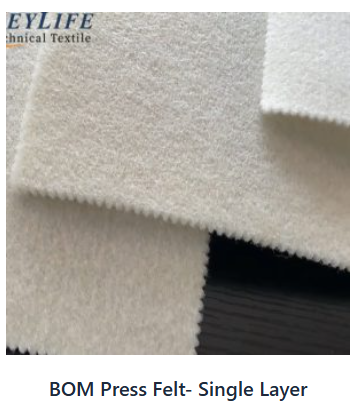
1. Optimize the Material and Structural Composition
The material blend and structure are the biggest cost and quality levers.
Standardize on Single-Layer and Simple 1+1 Double-Layer BOM Structures: Low-speed machines don’t face the extreme linear press loads of high-speed shoe presses. Stick to Single-Layer Base Felts or 1+1 Composite Double-Layer Bottom Mesh structures. They provide excellent water filtration and compression resistance without the manufacturing complexity and high raw material costs of triple-layer felts.
Balance the Nylon (Polyamide) Blend: Use a smart mix of Nylon 6 and Nylon 66. Nylon 66 offers higher wear resistance and dimensional stability but is more expensive. For low-speed applications, using Nylon 6 for the majority of the fiber batts while reserving Nylon 66 for the base layer monofilaments ensures the fabric holds its shape without inflating production costs.
2. Leverage Keylife’s Advanced Manufacturing Assets
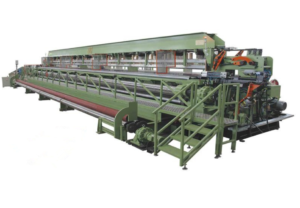
According to the workshop technical capabilities, Keylife utilizes world-class equipment like Texo and Jurgens looms. We can turn this high-end machinery into a cost-saving advantage rather than just an overhead expense:
Precision Weaving to Lower Rejection Rates: Use our precision Texo looms to achieve perfect tension control on the warp and weft yarns. For a low-speed felt, this prevents elongation and edge-curling over time. Getting it right the first time significantly lowers internal scrap costs.
Optimized Needling Density: Low-speed machines need stable, sustained dewatering rather than rapid, ultra-high-pressure water removal. Program our needling lines to establish a progressive, dense batt structure that resists flattening. A felt that maintains its caliper (thickness) longer means a longer lifetime for the paper mill, lowering their total cost of ownership (TCO) and boosting our quality reputation.
3. Application-Specific Tailoring (Avoiding “One Size Fits All”)
Instead of producing a generic line of cheap press felts, customize the felt properties based on the specific paper grade running on the low-speed machine:
| Paper Grade | Primary Focus for Low-Speed | Recommended Action from Keylife | Cost/Quality Balance |
| Packaging / Fluting | High dirt tolerance, compaction resistance | Use coarser fibers in the batt layer to resist plugging and contamination. | Low cost, high durability. Coarser fiber is cheaper and extends felt life in dirty, recycled fiber environments. |
| Tissue / Household | Smoothness, water absorption, vacuum extraction | Use finer surface fibers and a uniform single-layer base to eliminate felt marks. | Moderate cost, premium finish. Focus budget on surface batt quality rather than heavy base structures. |
| Board / Culture Paper | High water storage capacity, marking prevention | Use a stable 1+1 double-layer mesh to distribute pressure and eliminate groove or blind-hole marks. | Balanced cost. Provides high-end marking protection without using expensive triple-layer tech. |
4. Market Positioning: TCO vs. Purchase Price
When selling to mills running low-speed lines, Keylife will not just compete on the lowest initial price per piece. Frame our sales pitch around Total Cost of Ownership (TCO).
Prove to the mill that a slightly higher-quality Keylife felt reduces their steam consumption in the dryer section because it dewaters so efficiently in the press section. Because low-speed machines often run older or less efficient drying systems, saving 1–2% in steam energy is worth vastly more to the mill manager than saving a few hundred dollars on a cheap, poorly made felt.
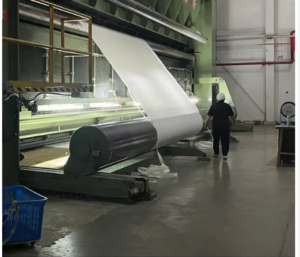
For a closer look at the actual industrial weaving equipment and needle-punch technologies Keylife implements to build these fabrics, we have checked out this brief look inside the World-leading equipment & technologies in KEYLIFE’ workshop. This video showcases the specific German and UK manufacturing assets that allow Keylife to control material tension and felt consistency.