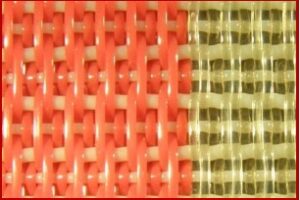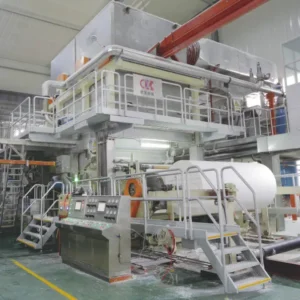
On a high-speed crescent former tissue machine—running anywhere from 1,200 to over 2,200 meters per minute—the forming fabric is exposed to extreme mechanical stress, intense drainage forces, and rigorous continuous cleaning. Because a crescent former injects stock directly into a high-pressure nip between the forming fabric and a felt, even small operational imbalances can rapidly destroy the fabric.
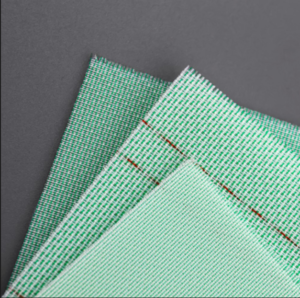
Premature removal of a forming fabric on these machines is typically driven by four primary root causes:
1. High Drag Load & Friction Wear
Because of the immense speeds, any friction against stationary dewatering elements (like the forming shoe, deflectors, or vacuum boxes) escalates rapidly.
Sheet Sealing: If the initial fiber mat builds up too densely or quickly, it “seals” the sheet. This forces operators to pull a higher vacuum downstream to get the water out, slamming the fabric against the ceramic covers. This drastically increases the drag load (the energy required to pull the fabric) and grinds down the wear-side yarns.
Sharpened Ceramic Edges: Over time, the edges of ceramic dewatering blades can micro-chip or become razor-sharp, cutting into the fabric yarns and causing structural failure.
2. High-Pressure Shower Damage (“Needle Cutting”)
To keep the fabric clean at 2,000 m/min, mills rely heavily on high-pressure (HP) oscillating needle showers. If these showers fail, they transform from cleaning tools into cutting tools:
Entrained Air: If tiny air bubbles get trapped in the HP shower water, the nozzle acts like a micro-machine gun, fracturing the polyester or polyamide yarns within hours.
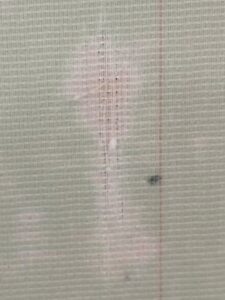
Oscillator Mismatch: If the shower’s oscillation speed doesn’t precisely match the fabric’s speed, or if a nozzle is misaligned, it will continuously spray the exact same line on the fabric, creating a localized groove or a complete “cut”.
3. Tension and Guiding Failures
At high speeds, precise physical stability is everything.
Slippage and Edge Wear: If the fabric tension drops too low, it will slip on the main drive roll or guide roll. This creates immense frictional heat, scorching the fabric and fraying the edges.
Misalignment Wrinkles: If a roll is misaligned by even a fraction of a millimeter, cross-machine direction forces will pull the fabric unevenly, creating permanent longitudinal wrinkles or ridges that ruin the tissue profile and force a shutdown.
4. Chemical and Furnish Contamination
Abrasive Contaminants: When using recycled fiber or low-quality pulp, fine abrasive particles (like sand or fillers) can become embedded between the fabric layers, accelerating abrasive wear from the inside out.
Aggressive Cleaning Agents: Using highly acidic or harsh alkaline batch-cleaning chemicals to strip away pitch and stickies can break down the polymer chains of the yarns, making the fabric brittle and prone to catastrophic popping or tearing under normal machine tension.
A Quick Diagnostic Reference:
Damage Pattern Most Likely Culprit Narrow, uniform line worn around the loop Frozen/stopped shower oscillator or misaligned nozzle. Rapid, even wear across the entire running side High drag load from over-vacuuming or abrasive pulp fillers. Frayed, melted, or tracking-damaged edges Low fabric tension or severe guide palm misalignment.